
Creating a Wildlife-Friendly Backyard: Small Changes That Make a Big Difference
One of the wonderful things about nature is that it doesn't require vast wilderness to thrive.
A single flowering plant can feed dozens of pollinators.
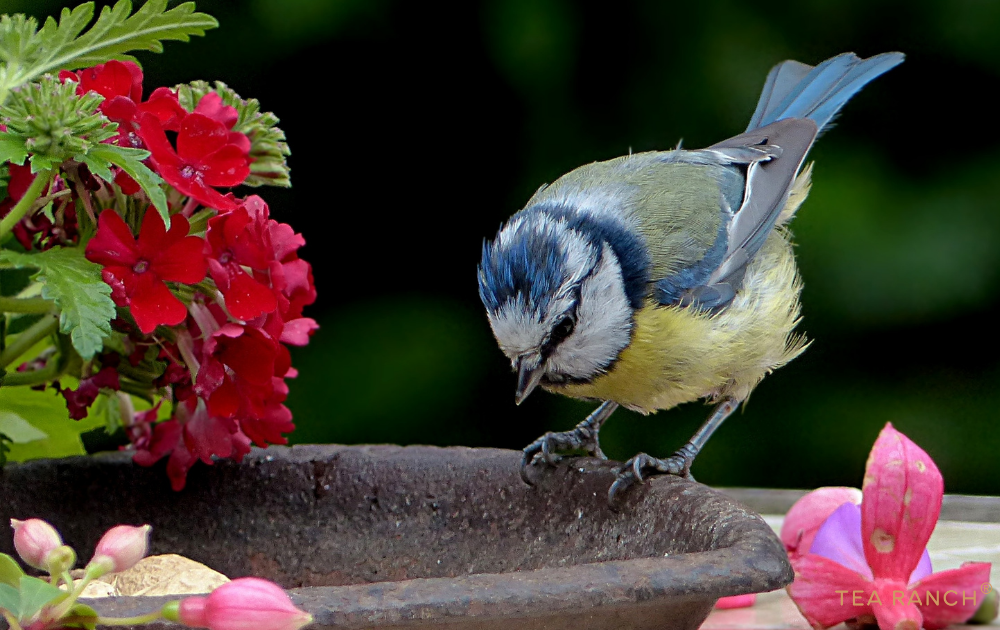
A shallow bird bath may become a favorite stop for songbirds.
Even a small patio filled with native flowers can provide food and shelter for butterflies, bees, and beneficial insects.
Creating a wildlife-friendly backyard isn't about achieving perfection.
It's about making space for nature to feel welcome.
Whether you have several acres, a suburban yard, or a small garden, even the smallest changes can make a meaningful difference, for wildlife and for yourself.
Begin With Native Plants
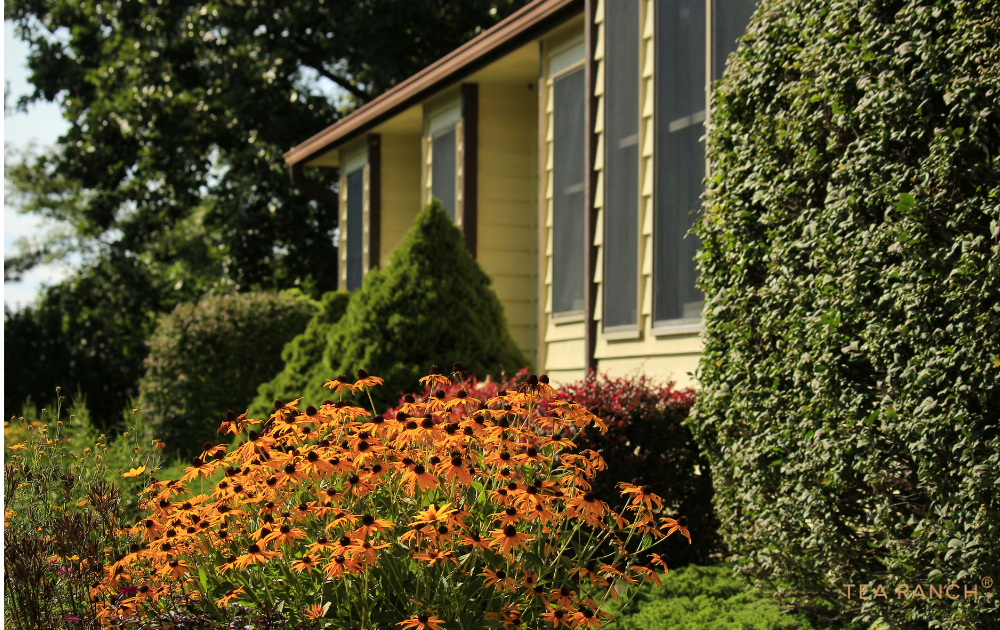
If you could make only one improvement, planting native flowers would be the best place to start.
Native plants have evolved alongside local wildlife for thousands of years.
They provide nectar for butterflies, pollen for native bees, seeds for birds, and shelter for countless beneficial insects.
Many ornamental plants may look beautiful, but native plants often offer far greater value to the animals that depend on them.
The added bonus?
Native gardens are usually easier to maintain because they're naturally adapted to local growing conditions.
Every Flower Becomes a Restaurant
When we look at a blooming flower, we often admire its color.
A butterfly sees lunch.
A native bee sees pollen.
A hummingbird sees energy for another incredible journey.
Every flower becomes part of a much larger story.
Planting a variety of flowers that bloom from spring through autumn ensures wildlife can find food throughout the growing season.
Nature thrives on diversity.
Water Is Just as Important
Fresh water is often harder for wildlife to find than food.
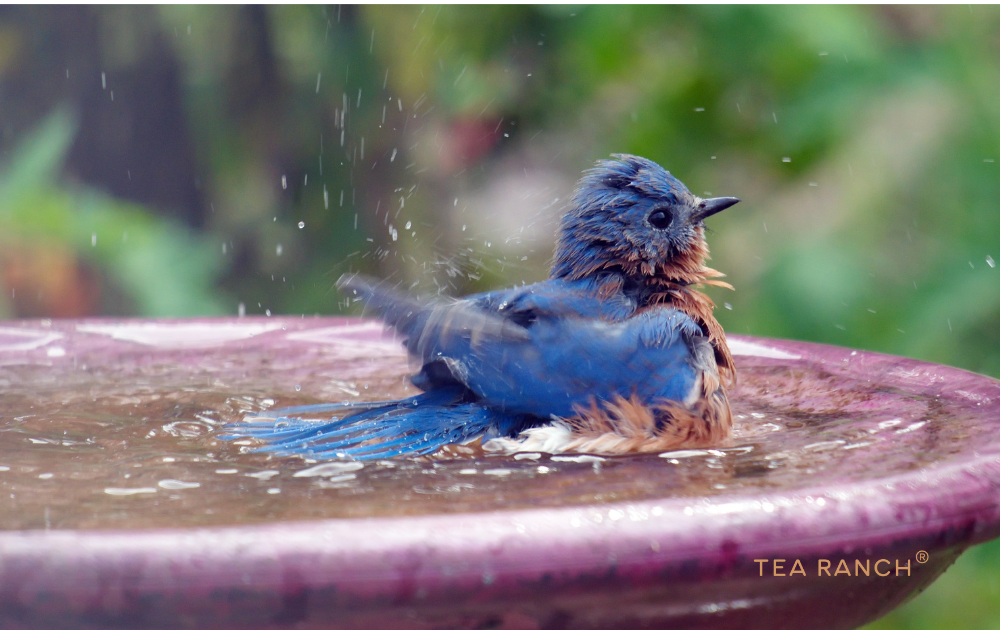
A simple bird bath, shallow bowl filled with fresh water, or small water feature can quickly become one of the busiest places in your garden.
Birds stop to drink and bathe.
Butterflies gather along damp edges to absorb minerals.
Even dragonflies may visit.
Changing the water regularly helps keep it clean and healthy for visiting wildlife.
Leave a Few Wild Corners
A perfectly manicured garden may look tidy to us.
To wildlife, it often feels empty.
Leaving a small corner of your yard slightly more natural creates valuable habitat.
Allow native grasses to grow.
Leave a fallen log in a quiet area.
Stack a few branches together.
Permit autumn leaves to remain beneath shrubs during the winter.
These simple features provide shelter for insects, amphibians, birds, and countless other small creatures that help create a healthy ecosystem.
Sometimes the most beautiful gardens are the ones that look just a little untamed.
Skip Harmful Chemicals Whenever Possible
Healthy ecosystems rely on healthy insects.
While it may be tempting to eliminate every insect from the garden, many species play essential roles as pollinators or as food for birds and other wildlife.
Reducing the use of pesticides and herbicides helps create a healthier environment for everything from butterflies and bees to songbirds and small mammals.
Often, nature does an excellent job of restoring balance when given the opportunity.
Slow Down and Observe
One of the unexpected rewards of creating wildlife habitat is that it encourages us to become better observers.
The first butterfly of spring.
A hummingbird hovering beside a flower.
Baby robins learning to fly.
A rabbit quietly nibbling clover at sunset.
These moments often happen when we aren't looking for them.
Creating a welcoming garden isn't only about helping wildlife.
It also gives us countless opportunities to reconnect with nature right outside our own door.
Every Garden Matters
It's easy to think one yard can't make much difference.
But nature doesn't work that way.
Thousands of small wildlife-friendly gardens connected across neighborhoods become corridors that help birds migrate, butterflies feed, bees pollinate, and countless other creatures move safely through the landscape.
Each flower planted.
Each source of clean water.
Each decision to leave a little space for nature.
Together, they become something much larger than any single garden.
A Quiet Moment to Enjoy
At Tea Ranch, we believe that after tending the garden, there are few things more satisfying than sitting outside with a warm cup of tea while butterflies drift among the flowers and birds sing overhead.
Perhaps that's one of the greatest gifts a wildlife-friendly garden offers.
Not simply a beautiful landscape.
But a place where people and nature can quietly enjoy one another's company.
As the evening grows quieter, a cup of Bluetiful Haze is a lovely companion while watching butterflies flutter among the flowers you've helped create.
Trusted Sources & Further Reading
- National Wildlife Federation – Certified Wildlife Habitat® program and wildlife-friendly gardening tips.
- Xerces Society – Native pollinator conservation and habitat creation.
- Lady Bird Johnson Wildflower Center – Native plant database and regional gardening resources.
- U.S. Fish & Wildlife Service – Backyard habitat and pollinator conservation information.
Continue Exploring the Nature Journal
If you enjoyed this article, you might also like: