
How to Choose High-Quality Loose-Leaf Tea: A Beginner's Guide
Walking into the world of loose-leaf tea for the first time can feel overwhelming. With so many varieties, blends, and price points, it's natural to wonder:
How do you know if a tea is actually good?
The good news is that you don't need to be a tea expert to recognize quality.
By paying attention to a few simple details, you can choose loose-leaf teas that deliver better flavor, aroma, and an overall more enjoyable experience.
Here's what to look for.
1. Look for Whole Leaves
One of the easiest ways to judge quality is simply to look at the tea itself.
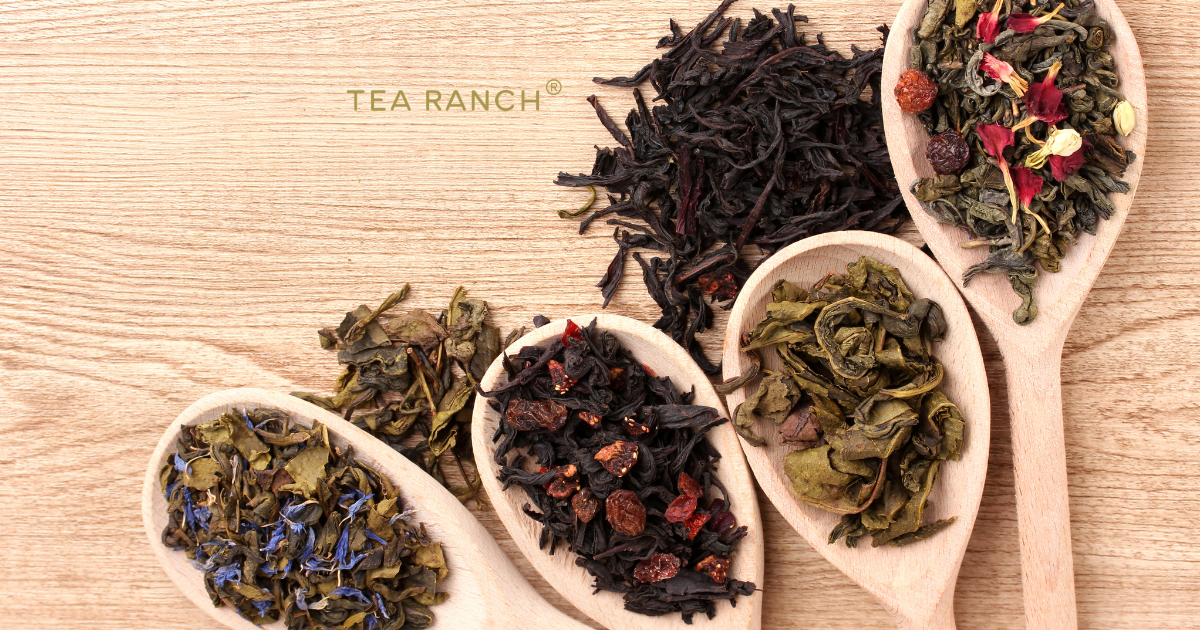
High-quality loose-leaf tea is typically made with larger, more intact leaves.
You'll often notice distinct shapes, colors, and textures that reflect how the tea was carefully processed.
When tea consists mostly of tiny broken pieces or excessive dust, it generally loses flavor more quickly and produces a less complex cup.
Whole leaves also have room to fully unfurl during brewing, gradually releasing their natural character.
2. Notice the Aroma
Before adding water, take a moment to smell the dry leaves.
Fresh tea should have a clean, inviting aroma.
Depending on the variety, you might notice notes such as:
- Floral
- Toasty
- Vegetal
- Fruity
- Sweet
- Earthy
If the tea smells dull, stale, or musty, it may no longer be at its best.
3. Read the Ingredient List
For flavored teas, the ingredient list tells an important story.
Look for recognizable ingredients such as:
- Whole tea leaves
- Dried fruit
- Herbs
- Flowers
- Spices
Quality blends often feature ingredients you can actually see.
Instead of finely ground fillers, you'll notice pieces of fruit, flower petals, herbs, or whole spices that contribute both flavor and visual appeal.
4. Pay Attention to Leaf Appearance
Every tea looks a little different.
Green tea may appear vibrant green or olive.
Black tea often ranges from dark brown to nearly black.
White tea usually has lighter leaves with silvery buds.
Oolong tea may be tightly rolled or twisted depending on how it was crafted.
Natural variation is part of what makes loose-leaf tea interesting. Uniform color isn't always the goal—healthy variation often reflects traditional processing methods.
5. Choose Tea That Has Room to Expand
Loose-leaf tea performs best when the leaves have enough space to open during brewing.
Watching the leaves slowly unfurl isn't just beautiful, it also allows water to reach more of the leaf's surface, creating a balanced extraction of flavor.
If the leaves remain tightly compressed throughout brewing, they can't fully release everything they have to offer.
6. Consider How the Tea Is Packaged
Freshness begins with proper storage.
Tea gradually loses its aroma and flavor when exposed to:
- Air
- Moisture
- Heat
- Strong odors
- Direct sunlight
Quality packaging helps protect delicate leaves from these elements.
Once you bring tea home, storing it in an airtight container in a cool, dry place helps preserve its freshness.
7. Think Beyond Price
A higher price doesn't automatically guarantee better tea.
Instead, consider the overall value.
Ask yourself:
- Are the leaves whole?
- Are the ingredients clearly listed?
- Does the tea smell fresh?
- Is it packaged to stay fresh?
- Can it be steeped more than once?
Often, premium loose-leaf tea provides many satisfying cups from a relatively small amount of tea.
Quality Is Something You Can See
One of the joys of loose-leaf tea is that very little is hidden.
You can see the leaves.
You can smell the aroma.
You can watch the tea transform as it steeps.
Over time, you'll begin recognizing quality almost instinctively—not because you've memorized complicated terminology, but because you've learned to appreciate the small details that make each cup unique.
A Better Cup Starts Before the Water Boils
Choosing quality tea isn't about finding the most expensive option.
It's about finding tea that has been thoughtfully grown, carefully crafted, and properly cared for from harvest to your cup.
When you start with quality leaves, every part of the brewing experience becomes more rewarding—from the first aroma to the final sip.
Happy steeping,
Annika