
Jasmine Tea: What It Is, How It's Made, and Why It Smells So Wonderful
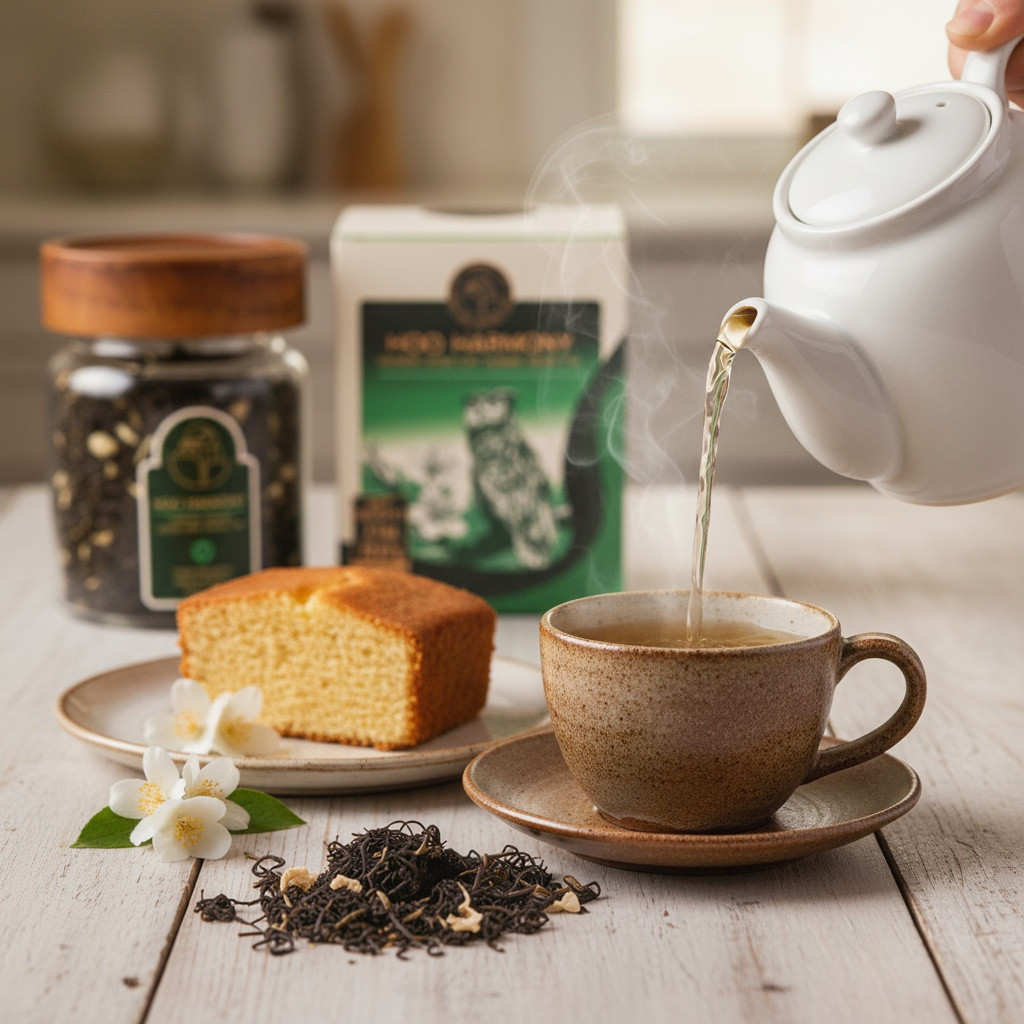
If you've ever opened a jar of jasmine tea, you've probably noticed its unmistakable aroma before you've even brewed your first cup. Soft floral notes rise from the leaves, creating a fragrance that feels both comforting and refreshing.
Despite its distinctive scent, many people are surprised to learn that jasmine tea isn't made from jasmine flowers alone.
Instead, it's one of the most fascinating examples of craftsmanship in the tea world, a process where tea leaves are naturally scented with fresh jasmine blossoms over several nights.
Let's explore what makes jasmine tea so special.
What Is Jasmine Tea?
Jasmine tea is usually made by combining green tea leaves with the delicate fragrance of fresh jasmine blossoms (Jasminum sambac).
Unlike herbal teas, jasmine tea contains actual tea leaves from the Camellia sinensis plant.
Although green tea is the most common base, jasmine can also be scented onto white, oolong, or even black tea.
How Is Jasmine Tea Made?
Traditional jasmine tea is made during the summer when jasmine flowers naturally bloom.
Fresh blossoms are picked during the day while still closed. As evening arrives, the flowers open and begin releasing their fragrance.
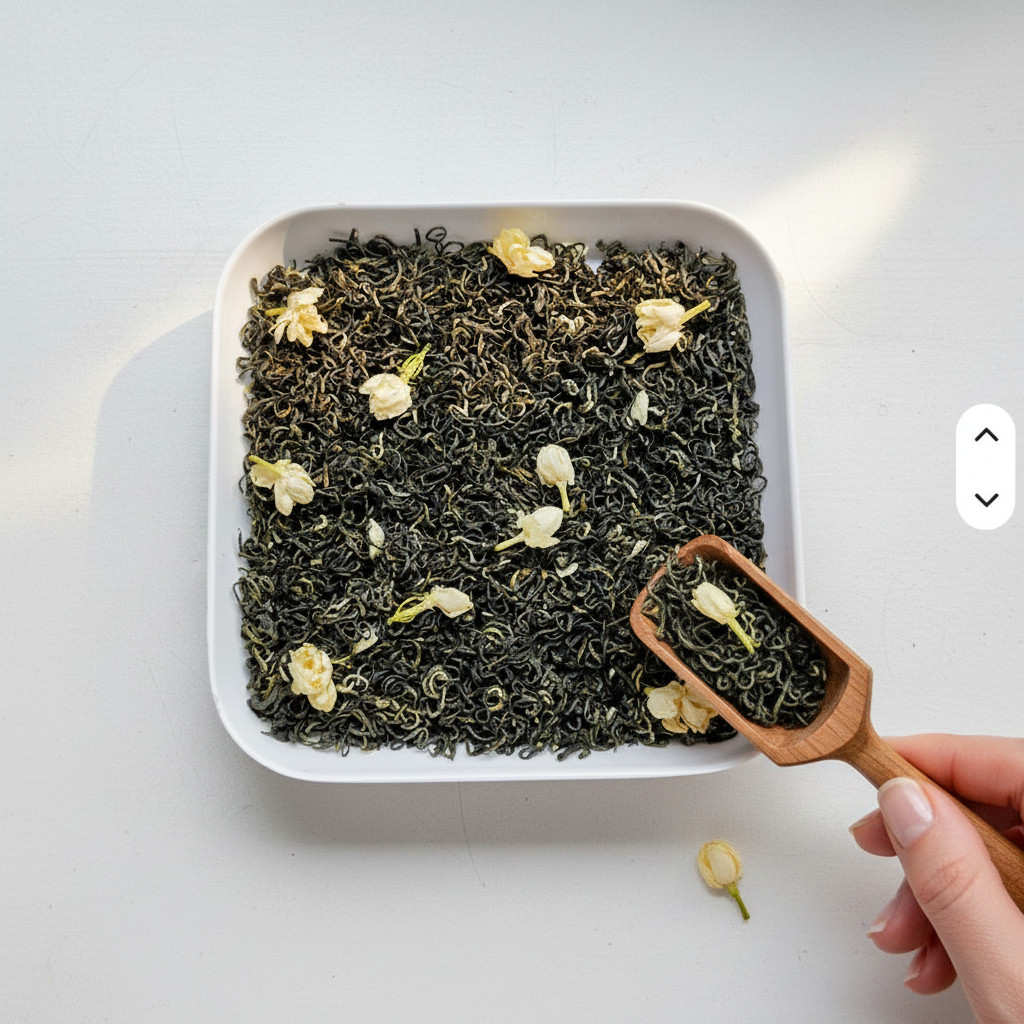
Layers of tea leaves and blossoms are carefully arranged together so the leaves can absorb the flowers' natural aroma.
After several hours, the blossoms are removed and replaced with fresh flowers.
Premium jasmine teas may repeat this scenting process several times over multiple nights.
The result is a tea that smells beautifully floral without relying on artificial flavoring.
What Does Jasmine Tea Taste Like?
Jasmine tea is known for its balance.
The green tea contributes gentle vegetal notes and a light sweetness, while the jasmine adds a delicate floral aroma that feels fresh rather than perfumed.
A well-made jasmine tea should taste:
- Smooth
- Light-bodied
- Naturally floral
- Slightly sweet
- Clean and refreshing
The floral fragrance is often more noticeable than the flavor itself, creating an experience that begins before your first sip.
Does Jasmine Tea Contain Caffeine?
Yes.
Because jasmine tea is usually made with green tea leaves, it naturally contains caffeine.
Most cups contain approximately 25–45 mg of caffeine, although the exact amount depends on the tea variety, brewing temperature, and steeping time.
In comparison, a typical cup of coffee contains approximately 80–100 mg of caffeine, so jasmine green tea can be a great choice for those who enjoy a more moderate and balanced source of caffeine.
How to Brew Jasmine Tea
To preserve its delicate aroma, avoid using boiling water.
A good starting point is:
- Tea: 1 teaspoon per 8-ounce cup
- Water Temperature: 175–185°F (80–85°C)
- Steeping Time: 2–3 minutes
Using cooler water helps protect the tea's natural sweetness and prevents bitterness.
Why Jasmine Tea Is So Relaxing
Part of jasmine tea's appeal goes beyond taste.
Its soft floral fragrance encourages you to slow down. As warm steam carries the scent upward, each sip becomes a small sensory experience.
Many people enjoy jasmine tea during quiet mornings, afternoon breaks, or evening moments when they want something soothing without feeling heavy.
Like many loose-leaf teas, jasmine invites you to pause—not because you have to, but because it naturally encourages it.
Choosing Quality Jasmine Tea
When shopping for jasmine tea, look for:
- Whole loose leaves instead of tea dust
- A fresh floral aroma rather than an overpowering perfume scent
- Tea that brews a clear, light golden cup
- Reputable producers who use traditional scenting methods
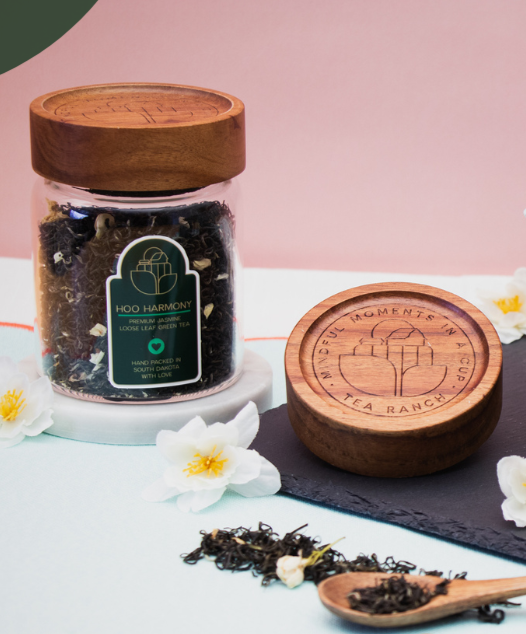
High-quality loose-leaf tea allows both the leaves and their fragrance to fully unfold as they steep.
Bringing Nature Into Every Cup
Jasmine tea is a reminder that some of the most memorable flavors don't come from added ingredients, they come from patience, craftsmanship, and nature working together.
Each cup reflects the careful relationship between tea leaves and blossoms, transforming a simple brew into a quietly elegant experience.
Whether you're discovering jasmine tea for the first time or returning to a longtime favorite, we believe it's a wonderful example of how loose-leaf tea rewards slowing down and savoring the moment.
Happy steeping,
Annika