
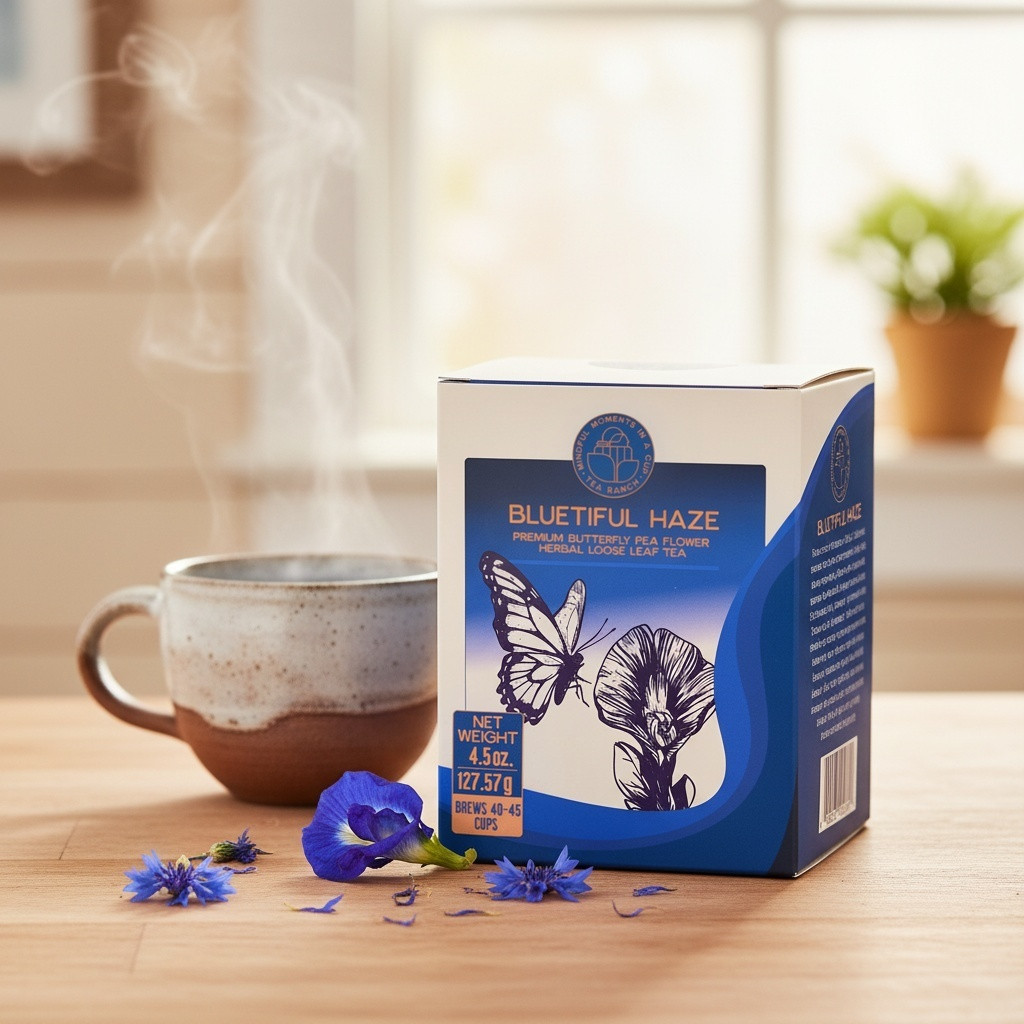
What Is Butterfly Pea Flower Tea? The Story Behind That Brilliant Blue Cup
Meet the remarkable flower behind naturally blue tea—and discover the simple science that can turn your cup from blue to purple.
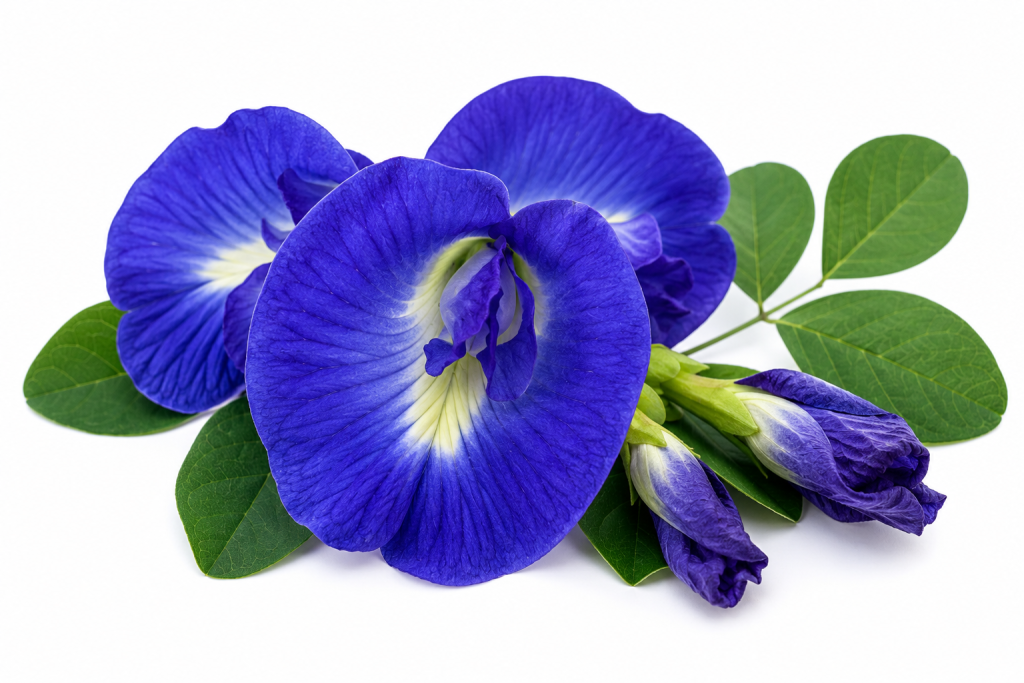
Every once in a while, nature creates something that looks as though it couldn't possibly be real.
Butterfly pea flower is one of those things.
Steep its deep blue petals in hot water and, within minutes, the water takes on a striking blue color—without artificial blue coloring.
But the real surprise comes when you squeeze in a little lemon.
That blue can begin shifting toward violet and purple right before your eyes.
So what exactly is butterfly pea flower tea, where does that extraordinary color come from, and why does adding citrus change it?
The answer involves a beautiful flowering plant, some fascinating chemistry, and one of our favorite examples of the small wonders hiding in the natural world.
What Is Butterfly Pea Flower?
Butterfly pea is the common name for Clitoria ternatea, a flowering plant in the legume family, Fabaceae.
It's a climbing perennial that grows in tropical climates and produces distinctive flowers that are most commonly associated with brilliant shades of blue. According to Wikipedia, the plant has a broad native range and it has also been introduced into many other tropical regions around the world.
The flowers are edible and have long been used in food and beverages.
When dried butterfly pea flowers are steeped in water, their pigments create the extraordinary blue infusion that has made butterfly pea flower tea increasingly recognizable.
And despite the name, butterfly pea flower tea isn't actually a true tea in the botanical sense.
Is Butterfly Pea Flower Tea Really Tea?
Technically, no.
True teas—black, green, white, and oolong—are all produced from varieties of the tea plant, Camellia sinensis.
Butterfly pea flower comes from an entirely different plant.
A beverage made solely by steeping butterfly pea flowers is therefore more accurately described as an herbal infusion or tisane.
We commonly use the word tea for all kinds of steeped botanical beverages, though, so you'll often see it called butterfly pea tea, blue tea, or butterfly pea flower tea.
Whatever you call it, there's no mistaking the color.
Why Is Butterfly Pea Flower Tea So Blue?
Here's where things get especially interesting.
Butterfly pea flowers contain natural plant pigments called anthocyanins. More specifically, they're particularly rich in a group of polyacylated anthocyanins known as ternatins. Scientists have studied these pigments because of both their unusual color and their potential applications as natural food colorants.
Anthocyanins aren't unique to butterfly pea flowers.
They're part of the reason many plants give us beautiful reds, purples, and blues.
But the particular anthocyanin chemistry of butterfly pea flower allows it to produce an especially remarkable blue.
Hot water extracts those pigments from the dried petals.
And suddenly your ordinary-looking cup of water becomes anything but ordinary.
Why Does Butterfly Pea Tea Change Color?
Now for the fun part.
Add a squeeze of lemon or another acidic ingredient to a blue butterfly pea infusion and you'll notice the color begin to change.
Blue → violet → purple or pinkish tones
It's not a trick and nothing artificial has been added.
You're changing the pH of the liquid.
The molecular structure of anthocyanin pigments responds to changes in acidity, and that changes the wavelengths of light they absorb and reflect. In other words, the same natural pigments can appear as different colors under different pH conditions. Research on butterfly pea anthocyanins documents color changes across a wide range of pH levels.
In fact, butterfly pea flower is such an effective visual demonstration of this chemistry that researchers have developed classroom activities using butterfly pea tea to teach students about acids, bases, and pH.
Which means your cup of tea can essentially become a tiny science experiment.
We think that's pretty wonderful.
Try the Butterfly Pea Color Experiment at Home
You don't need laboratory equipment to see the effect.
Brew a butterfly pea flower infusion and observe its original blue color.
Then add a few drops of lemon juice.
Watch what happens.
Add a little more and watch again.
Because lemon juice is acidic, it lowers the pH and changes the way the pigments appear.
If you're serving butterfly pea tea to children, friends, or dinner guests, try pouring the blue infusion into a clear glass and letting them add the lemon themselves.
Don't tell them what's going to happen.
That's much more fun.
What Does Butterfly Pea Flower Tea Taste Like?
With such an extraordinary appearance, you might expect butterfly pea flower itself to have an equally dramatic flavor.
It doesn't.
On its own, butterfly pea flower tends to be relatively mild, which is one reason it works so well alongside other ingredients.
Rather than overpowering a blend, it can contribute its extraordinary color while allowing fruits, flowers, herbs, or other botanicals to play a larger role in the flavor.
That's also why butterfly pea tea lends itself so beautifully to experimentation.
It can be served hot, poured over ice, combined with citrus, or incorporated into colorful drinks.
Does Butterfly Pea Flower Tea Contain Caffeine?
Pure butterfly pea flower is naturally caffeine-free because it doesn't come from the caffeine-containing tea plant.
There is one important caveat whenever you're shopping for butterfly pea tea, however:
Check the entire ingredient list.
A blend containing butterfly pea flowers could also contain black, green, white, or oolong tea, which would introduce caffeine.
So whether a particular butterfly pea blend contains caffeine depends on everything that's in it, not simply the presence of butterfly pea flower.
A Note About Butterfly Pea Flower “Health Benefits”
Search for butterfly pea flower online and you'll quickly encounter some impressive claims about what it supposedly does for the body.
Butterfly pea flower and its compounds are certainly the subject of scientific research. Researchers have studied its anthocyanins and other components, including their properties in laboratory and cellular settings.
But interesting scientific research isn't the same thing as proving that drinking a cup of butterfly pea flower tea will prevent, treat, or cure a health condition.
So we're not going to promise you miracles in a mug.
We think butterfly pea flower is remarkable enough for what we can actually see: It's an edible flower capable of creating an extraordinary natural blue, and changing color when the chemistry of the cup changes.
That's pretty impressive without embellishment.
How Butterfly Pea Flower Found Its Way to Tea Ranch
You can probably guess why we were drawn to this ingredient.
Tea Ranch has always been inspired by nature, wildlife, and the little details that make us stop and look twice.
Butterfly pea flower does exactly that.
Its natural blue color feels almost impossible the first time you see it, while its color-changing chemistry makes preparing the tea part of the experience.
So when butterfly pea flower became part of one of our blends, there really was only one animal that belonged with it.
A butterfly.
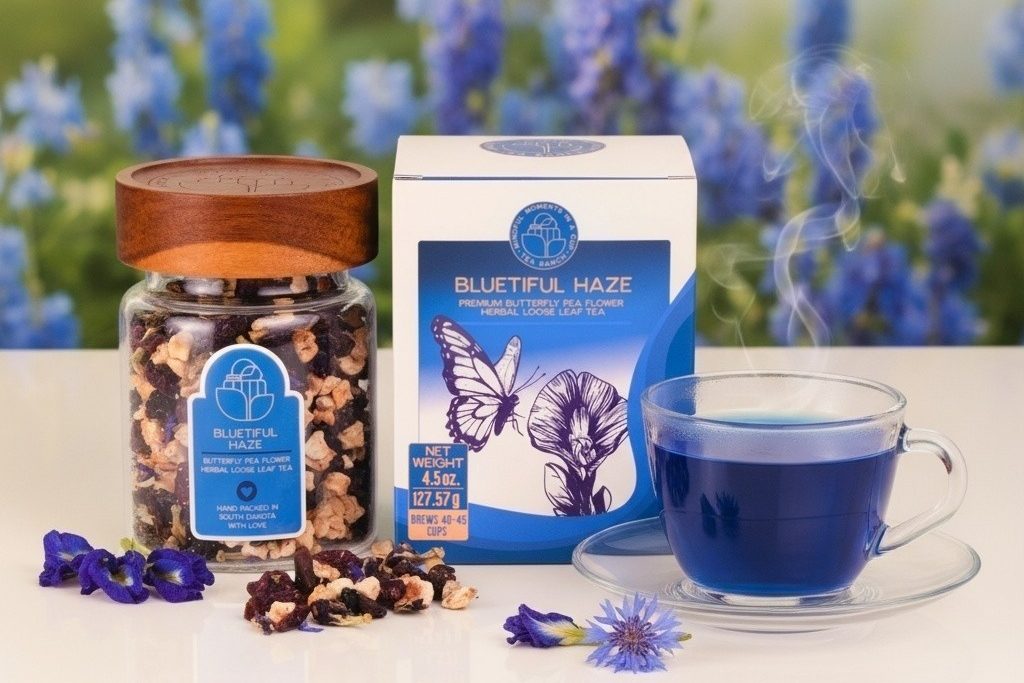
And that's how Bluetiful Haze found its place in the Tea Ranch wildlife family.
Our blend combines butterfly pea flower with fruit and floral ingredients, creating a colorful caffeine-free loose-leaf infusion that's just as lovely over ice as it is served hot.
And yes, you can add lemon and watch the color change.
We highly recommend doing it at least once.
Sometimes Nature Likes to Show Off
We often talk about slowing down and noticing what's around us at Tea Ranch.
Usually that means something quiet.
A bird outside the window. Changing leaves. A rabbit in the yard. The smell of tea when you first open the jar.
Butterfly pea flower isn't quite so subtle.
It turns the water blue.
Then you add lemon and it changes its mind.
And perhaps that's another kind of mindful moment—the kind that makes you stop what you're doing for a second and say:
"Wait...how did it do that?"
Sometimes nature whispers.
Sometimes it apparently prefers brilliant blue.
Happy steeping,
Annika
Founder, Tea Ranch