
How Nature Helps Us Slow Down
There are moments in nature that seem almost too small to matter.
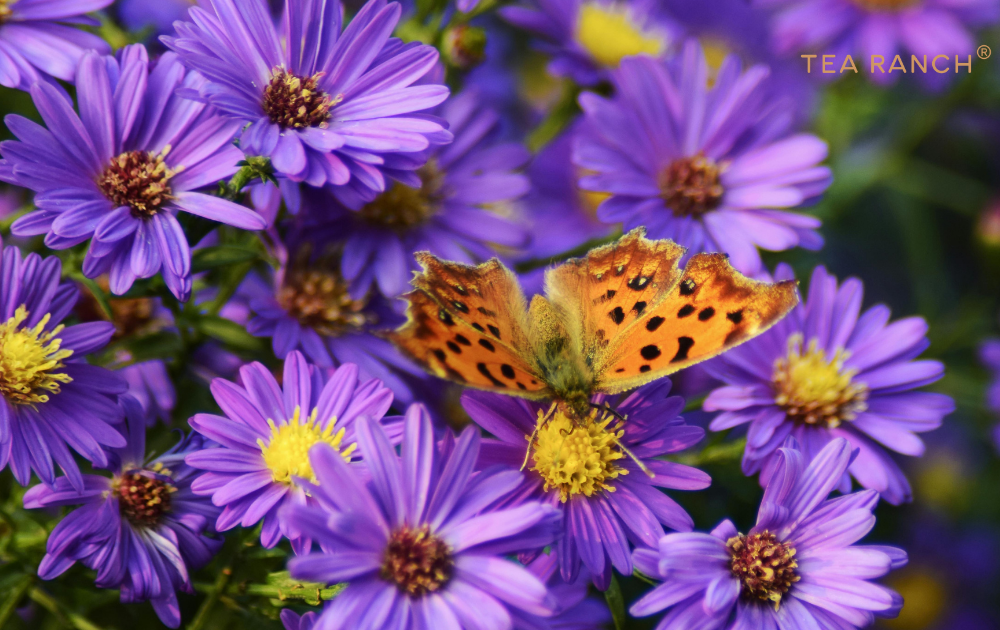
A butterfly drifting through a meadow.
The gentle rustle of leaves in a summer breeze.
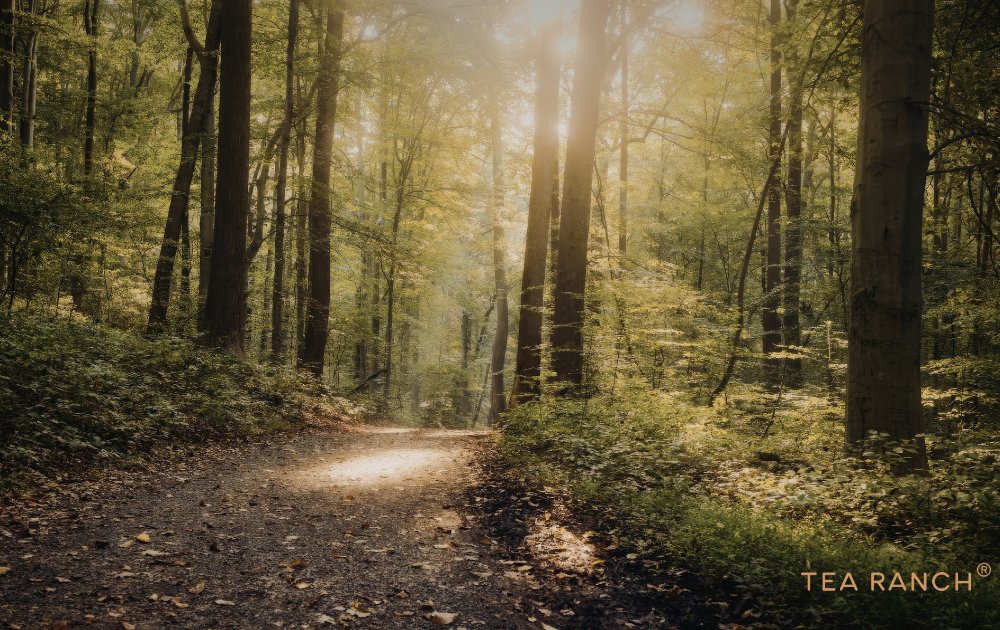
Morning sunlight filtering through tall pine trees.
The distant call of an owl as evening settles over the forest.
None of these moments ask anything of us.
They don't require our attention.
They simply wait to be noticed.
Perhaps that's one of the greatest gifts nature offers us.
It gently reminds us to slow down.
The World Moves Quickly
Modern life rarely slows on its own.
Our calendars fill.
Phones buzz with notifications.
There is always another email to answer, another task to finish, another destination waiting just beyond the current moment.
Over time, constant busyness can become our normal.
Without realizing it, we stop noticing the simple things happening around us.
Nature Operates at a Different Pace
The natural world doesn't rush.
Wildflowers bloom when conditions are right.
Birds build nests one twig at a time.
Trees grow slowly over decades.
Butterflies complete extraordinary transformations without hurry.
Even the changing seasons remind us that meaningful things often unfold gradually.
Nature follows its own rhythm.
Perhaps we can learn something from that.
Paying Attention Changes Everything
One remarkable thing happens when we spend time outdoors.
Our attention begins to shift.
Instead of focusing on deadlines, we notice birds singing overhead.
Instead of rushing from one place to another, we watch clouds drift across the sky.
Instead of thinking about everything that comes next, we become curious about what is happening right now.
These moments don't have to last hours.
Even a ten-minute walk through a neighborhood park can feel surprisingly restorative.
Sometimes slowing down begins with simply looking up.
Wildlife Invites Us to Become Better Observers
Wild animals rarely announce themselves.
Seeing a butterfly settle on a flower requires patience.
Watching an owl emerge at dusk means waiting quietly.
Spotting a deer crossing a meadow often happens only after you've stopped making noise.
Nature rewards observation more than speed.
The more patiently we look, the more we begin to notice.
Small Daily Rituals Matter
You don't have to hike through a national park to experience the calming influence of nature.
Simple habits can become meaningful rituals.
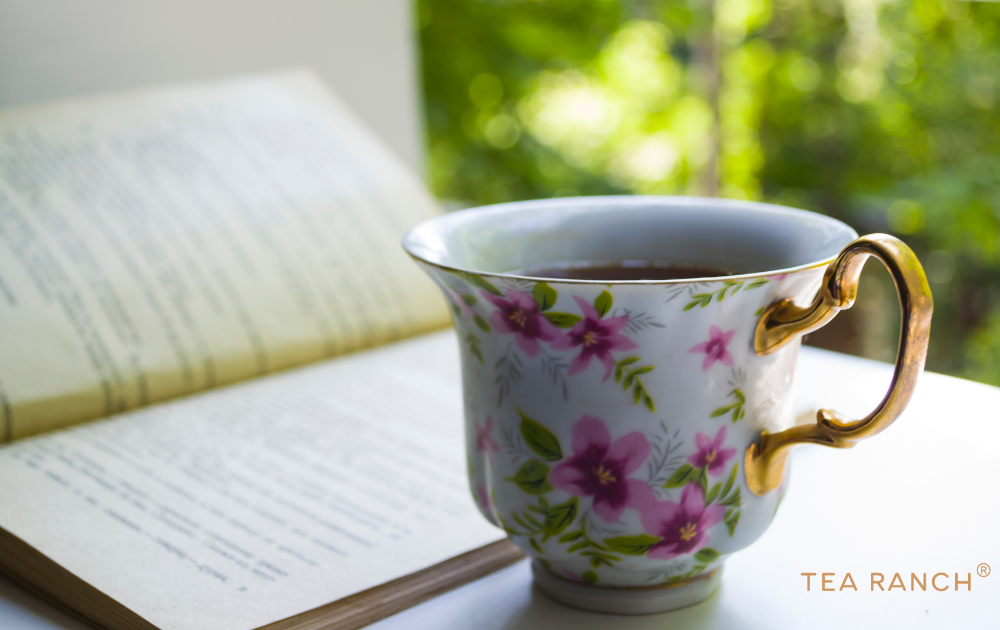
Try opening a window while enjoying your morning tea.
Take a short walk before dinner.
Watch the sunrise once a week.
Plant flowers that welcome butterflies and bees.
Listen to birds before reaching for your phone.
Small moments repeated consistently often become the ones we treasure most.
Every Season Offers Something Beautiful
Nature never asks us to experience only one version of itself.
Spring brings fresh growth.
Summer offers long evenings and wildflowers.
Autumn paints forests in brilliant colors.
Winter invites quiet reflection beneath snow-covered trees.
Each season has something to teach us.
Rather than resisting change, nature embraces it.
Perhaps we can too.
Slowing Down Isn't About Doing Less
Many people think slowing down means becoming less productive.
Nature suggests something different.
A tree continues growing while standing perfectly still.
A butterfly accomplishes an extraordinary journey one flower at a time.
A bear rests through winter so it can thrive in spring.
Slowing down isn't about accomplishing less.
It's about paying closer attention to what matters most.
A Cup of Tea, A Moment of Nature
At Tea Ranch, we've always believed that tea is more than something you drink.
It's an invitation.
An invitation to pause.
To notice the changing seasons.
To appreciate wildlife.
To spend a few quiet moments outdoors whenever possible.
Some days, slowing down might mean watching butterflies visit blooming flowers.
Other days, it may simply mean wrapping your hands around a warm cup of tea while listening to birds outside your window.
Neither moment needs to be extraordinary.
Both remind us that life's greatest pleasures are often the simplest ones.
Nature has been inviting us to slow down all along.
Sometimes all we have to do is accept the invitation.

Continue Exploring the Tea Journal
- Why Butterflies Are More Important Than You Think
- Why Bees, Butterflies, and Pollinators Matter to Every Garden
- The Quiet Wisdom of Owls: What They Teach Us About Slowing Down
- The Hidden Life of Bears Through the Seasons
Explore Tea Ranch
If you're looking for a peaceful companion to your own quiet moments, explore our collection of premium loose-leaf teas inspired by the beauty of nature and the changing seasons. Learn more about us here.

Frequently Asked Questions
How does spending time in nature help you slow down?
Nature encourages us to focus on the present moment. Whether we're watching wildlife, listening to birds, or walking through a forest, these experiences gently shift our attention away from daily distractions and toward our surroundings.
What are simple ways to connect with nature every day?
Small habits can make a meaningful difference. Try taking a short walk outdoors, planting native flowers, watching birds from your window, or enjoying a cup of tea outside while listening to the sounds of nature.
Do you need to visit a national park to experience the benefits of nature?
Not at all. Nature can be found in neighborhood parks, community gardens, backyards, and even on a quiet porch. Meaningful moments often come from paying closer attention to the natural world that's already around us.
Why does Tea Ranch feature wildlife and nature?
At Tea Ranch, we believe nature invites us to slow down, appreciate the changing seasons, and enjoy life's quieter moments. Our teas are inspired by the beauty of wildlife and the simple rituals that help us reconnect with the world around us.
Trusted Sources & Further Reading
These organizations offer excellent resources for readers interested in learning more about nature, wildlife, and the benefits of spending time outdoors.
- National Park Service – Information about enjoying and protecting America's natural landscapes.
- U.S. Forest Service – Educational resources about forests, wildlife, and outdoor recreation.
- Cornell Lab of Ornithology – Bird identification, conservation, and nature observation.
- Xerces Society for Invertebrate Conservation – Pollinator conservation and creating wildlife-friendly habitats.