
What Is Hibiscus Tea? A Guide to This Bright, Beautiful Herbal Infusion
Tangy, vibrant and naturally caffeine-free—discover what hibiscus tea is, what it tastes like and why those brilliant crimson petals make such a memorable cup.
Some teas are subtle. Hibiscus is not one of them.
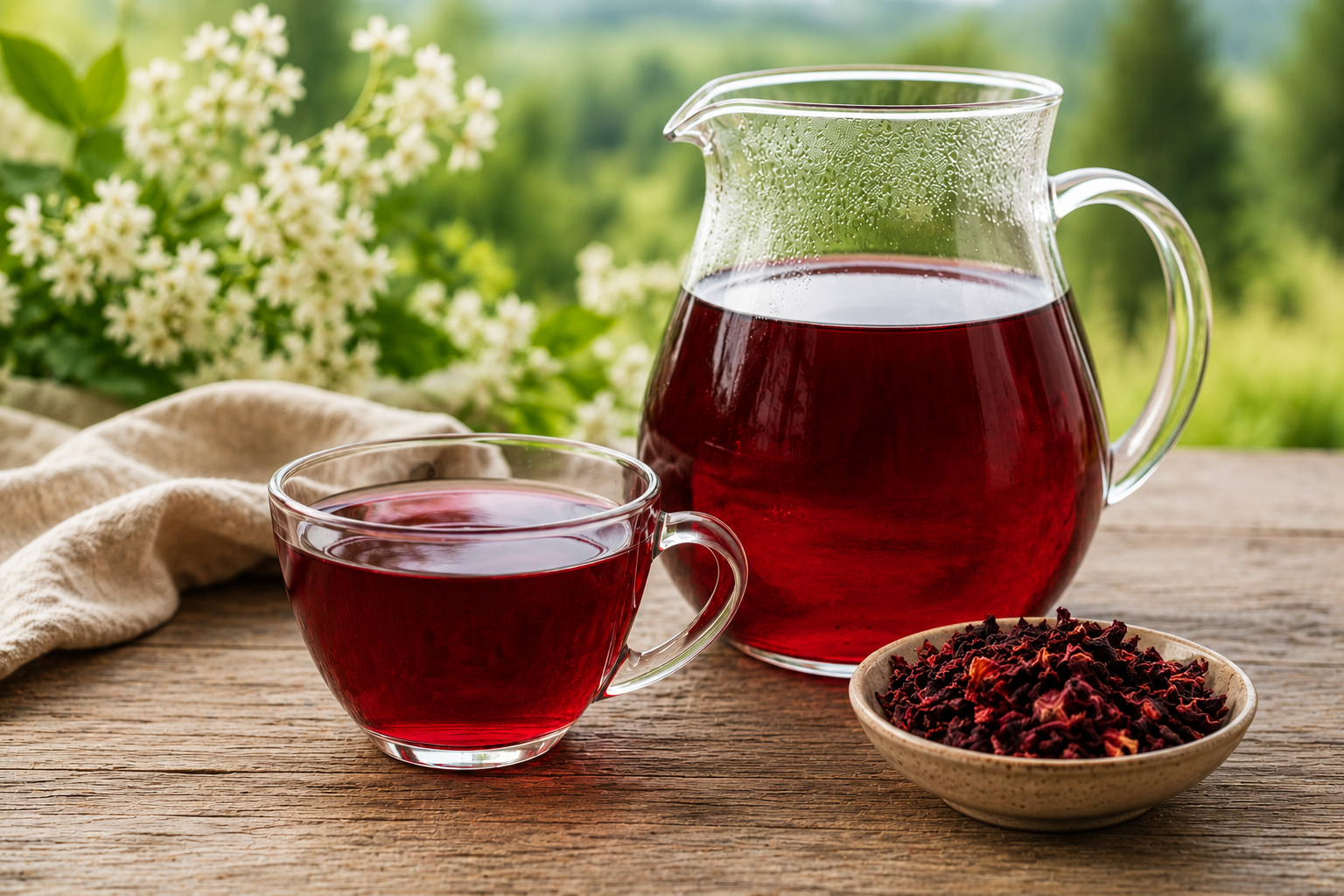
Drop dried hibiscus into hot water and the transformation begins almost immediately.
Pale water becomes ruby red, then deepens into a rich crimson that looks almost too vibrant to be completely natural.
And the flavor is just as distinctive: Bright. Tart. Fruity. Refreshing.
It's no wonder hibiscus has found its way into teacups around the world, and into some of our favorite fruit-forward blends at Tea Ranch.
But despite how commonly we call it hibiscus tea, there's something interesting about that beautiful red cup:
Technically, it isn't tea at all.
What Is Hibiscus Tea?
Hibiscus tea is an herbal infusion made by steeping dried parts of the hibiscus plant in water.
The hibiscus most commonly used for beverages is Hibiscus sabdariffa, a flowering plant in the mallow family. It's sometimes called roselle.
And here's another little surprise.
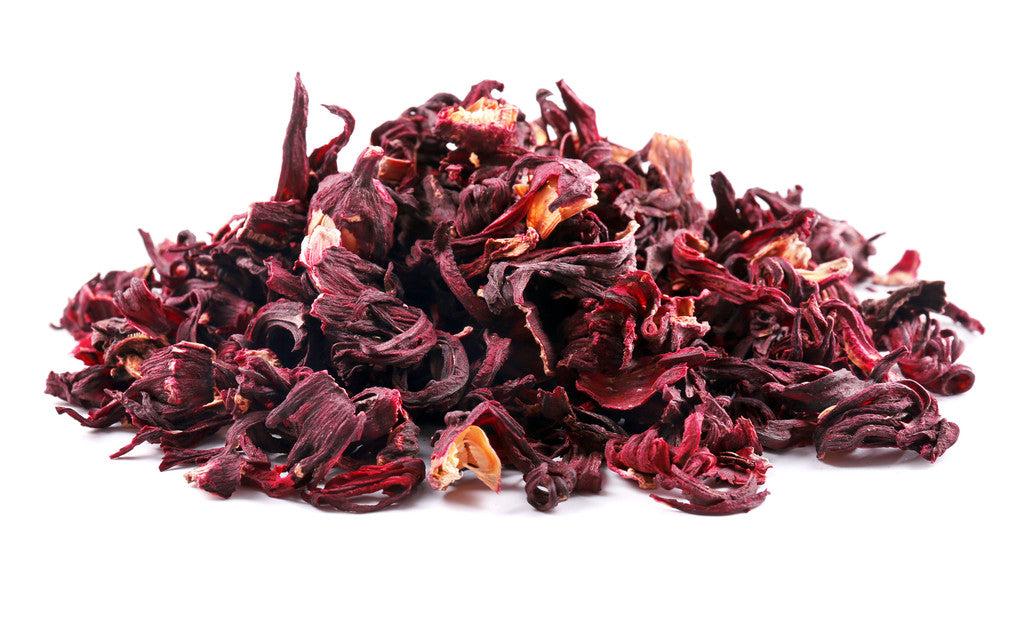
Those deep red pieces that look like dried flower petals in your tea aren't necessarily the petals themselves.
The part commonly harvested for hibiscus beverages is the fleshy calyx surrounding the seedpod after the flower blooms.
Once dried, those calyces become the intensely colored ingredient we recognize as hibiscus.
Is Hibiscus Tea a “Real” Tea?
Not botanically.
As we've discussed elsewhere in the Tea Journal, true teas—black, green, white and oolong—all come from the tea plant, Camellia sinensis.
Hibiscus comes from an entirely different plant.
That makes a drink made from hibiscus an herbal infusion, sometimes called a tisane.
Of course, most of us aren't going to ask someone whether they'd like a refreshing iced hibiscus tisane on a hot afternoon.
We're perfectly comfortable calling it tea.
What Does Hibiscus Tea Taste Like?
If you've never tasted hibiscus, don't expect a delicate floral flavor simply because it comes from a flower.
Hibiscus is wonderfully tart.
Its flavor is often compared to cranberry, with a bright acidity and fruity character that can be refreshing both hot and cold.
That tartness also makes hibiscus an excellent blending ingredient.
Pair it with naturally sweeter fruits such as strawberry, apple, mango, blueberry or raspberry and the flavors can balance one another beautifully.
A little sweetness can soften its sharper edges, while citrus can take its bright personality even further.
In other words, hibiscus likes company.
Why Is Hibiscus Tea So Red?
That extraordinary color comes from naturally occurring plant pigments called anthocyanins.
If that word sounds familiar, you may remember it from our Tea Journal article about butterfly pea flower.
Anthocyanins contribute red, purple and blue colors to many fruits, vegetables and flowers.
You'll find members of this family of pigments in foods ranging from berries to red cabbage.
Hibiscus contains anthocyanins that help give its calyces, and your finished infusion, their characteristic deep red color.
No bottle of red food coloring required.
It's simply another example of nature being remarkably good at color.
Does Hibiscus Tea Have Caffeine?
Pure hibiscus is naturally caffeine-free.
That's because it doesn't come from Camellia sinensis, the plant responsible for traditional caffeinated teas.
That makes hibiscus particularly useful for creating flavorful drinks for people who want to avoid caffeine or simply want another option later in the day.
There's an important caveat, though.
A tea blend containing hibiscus among other ingredients isn't automatically caffeine-free.
So, as we mentioned in our guide to caffeine in tea, always look at the complete ingredient list rather than assuming caffeine content based on one ingredient.
Hibiscus Around the World
One of the most interesting things about hibiscus is that enjoying it as a beverage isn't some recent social-media invention.
Variations of hibiscus drinks have long been enjoyed in different parts of the world.
In Mexico and elsewhere in Latin America, you may encounter agua de jamaica, a refreshing drink made from hibiscus and often served chilled and sweetened.
In parts of West Africa, hibiscus is used in beverages known by names including bissap.
And hibiscus beverages have traditions in parts of Africa, the Caribbean, Asia and the Middle East.
The recipes and accompanying ingredients vary enormously by place and household, which is part of what makes an ingredient like hibiscus so interesting.
A single plant can find its way into many different culinary traditions.
Is Hibiscus Tea Good Hot?
Absolutely.
Hot hibiscus produces a bold, fragrant cup with its characteristic tartness front and center.
For a simple preparation, steep hibiscus or a hibiscus-based blend in freshly boiled water according to the instructions for your particular tea.
Because hibiscus doesn't contain traditional tea leaves, you don't have the same concern about extracting tannins from black or green tea when using hotter water.
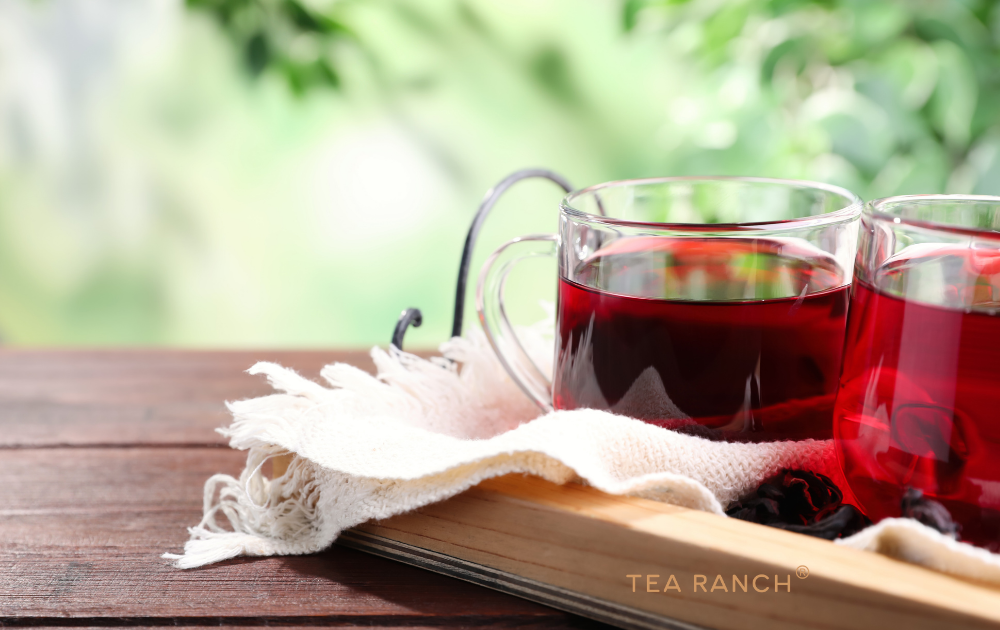
And on a cold day, that brilliant ruby-red color looks particularly beautiful in a clear glass mug.
But Hibiscus Really Shines Over Ice
We love hot tea around here.
But hibiscus over ice is difficult to beat.
Its tart, fruit-like flavor becomes wonderfully refreshing when chilled, and its intense color looks beautiful in a tall glass filled with ice.
You can prepare it using the hot-brew-and-chill method from our guide to making iced loose-leaf tea, or experiment with a refrigerated cold brew.
Add berries or citrus slices if you'd like.
Or simply pour it over ice and let the tea do the work.
Sometimes simple wins.
Can You Sweeten Hibiscus Tea?
Certainly, and whether you should depends entirely on your taste.
Because hibiscus is naturally tart, a little sweetness can create a completely different drinking experience.
Sugar, honey or another preferred sweetener can soften the acidity and emphasize the fruitier side of the infusion.
If you're making iced hibiscus tea, it's easiest to dissolve sugar or honey while the tea is still warm.
But start small.
You can always add more.
We'd rather taste the ingredients than turn a beautiful herbal infusion into red sugar water.
What About the Health Benefits of Hibiscus Tea?
Search for hibiscus tea online and you'll encounter plenty of health claims.
There is legitimate scientific research into Hibiscus sabdariffa, including studies investigating its naturally occurring compounds and their possible effects in humans.
If you're interested in the science, look for high-quality research and discuss specific health concerns with an appropriate healthcare professional.
You don't need a miracle claim to appreciate hibiscus.
It's naturally caffeine-free, beautifully colored, wonderfully tart and delicious.
That's already quite a résumé for a flower.
Hibiscus at Tea Ranch
It probably won't surprise you that an ingredient this colorful found a home at Tea Ranch.
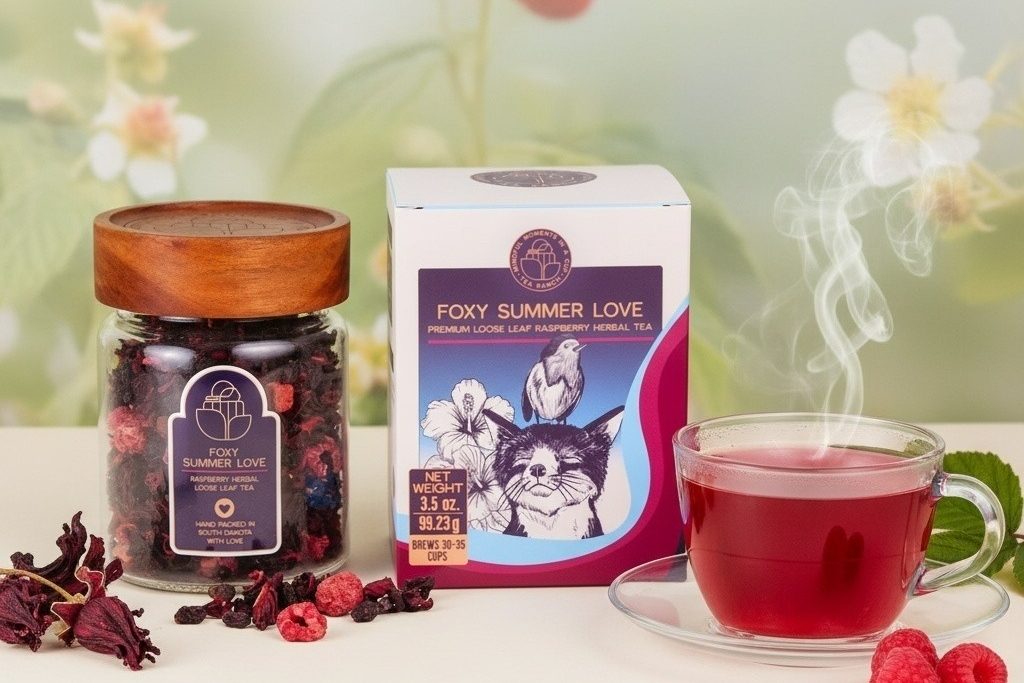
Our Snuggle Bunny Strawberry Hibiscus and Foxy Summer Love Raspberry Hibiscus herbal teas pairs hibiscus with fruity strawberry notes for a bright, caffeine-free infusion.
The rabbit and fox on the jars may suggest something soft and cozy, but the tea blends have plenty of personality.
And hibiscus also demonstrates something we especially love about loose-leaf blends.
You can see what's in your cup before you ever brew it.
Flowers, fruits, leaves and botanicals aren't hidden inside an opaque little bag. They're part of the experience.
Look at the blend.
Smell it.
Watch the water change color.
Then taste what happened.
A Little Color for Your Cup
There are days for quiet green tea.
Days for a strong black tea.
And then there are days when your tea should perhaps be bright red.
Hibiscus doesn't ask for much attention while it steeps.
It simply turns the water crimson and waits for you to notice.
And we think noticing is rather the point.
Happy steeping,
Annika
Founder, Tea Ranch