Why Bees, Butterflies, and Pollinators Matter to Every Garden
Walk through a garden on a warm summer morning, and you'll notice a quiet kind of activity.
A honeybee disappears into the center of a flower. A butterfly drifts gracefully from blossom to blossom. A hummingbird hovers for just a moment before darting away.
These small visitors may seem ordinary, but together they perform one of nature's most important jobs.
Without pollinators, many of the flowers we admire, the fruits we enjoy, and the natural landscapes we love simply couldn't exist in the same way they do today.
What Are Pollinators?
A pollinator is any animal that helps move pollen from one flower to another, allowing plants to produce seeds and fruit.
The most familiar pollinators include:
- Bees
- Butterflies
- Moths
- Hummingbirds
- Certain beetles
- Some species of flies
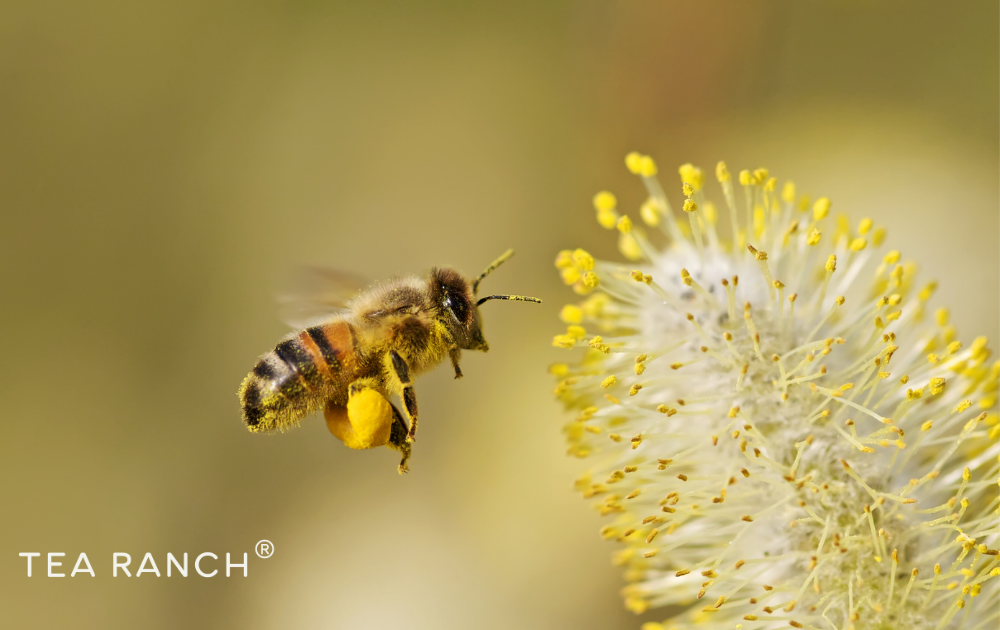
As these animals search for nectar or pollen, tiny grains of pollen cling to their bodies. When they visit another flower, they unintentionally carry that pollen with them, helping plants reproduce.
It's a simple process, but one that supports countless ecosystems around the world.
Why Pollination Matters
Many flowering plants depend on pollinators to complete their life cycle.
Without successful pollination, plants produce fewer seeds, fruits, and berries.
That doesn't only affect gardens.
It also affects birds that eat seeds, mammals that depend on fruits, insects that rely on flowering plants, and the countless other species connected through nature's food web.
Healthy pollinator populations help support healthy ecosystems.
Every flower visited becomes part of a much larger story.
More Than Just Bees
When people think about pollination, bees usually come to mind first—and for good reason. They are among the world's most effective pollinators.
But they're not working alone.
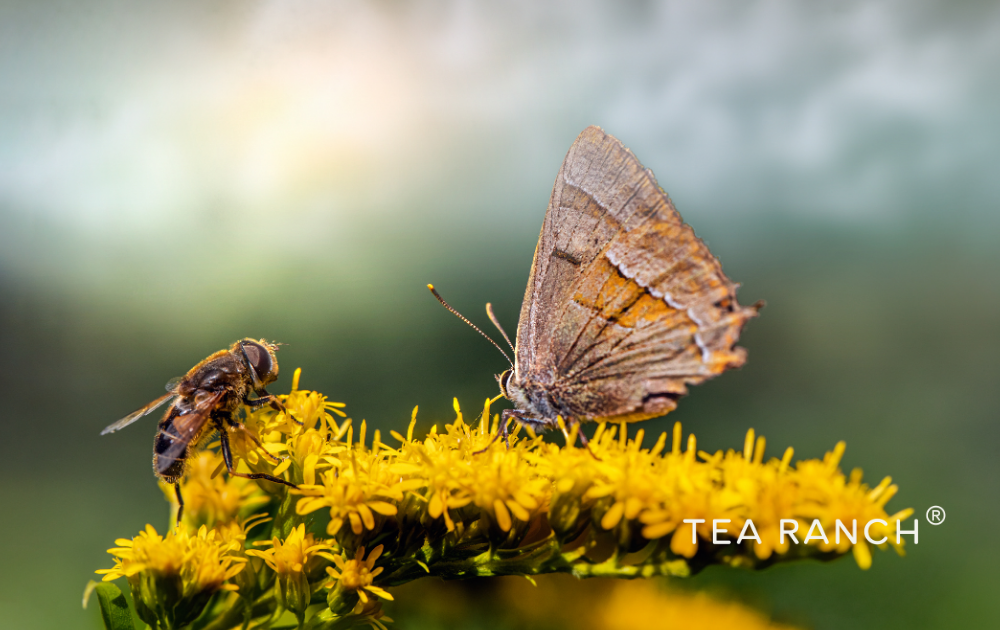
Butterflies pollinate many flowering plants while traveling surprisingly long distances between blooms. Hummingbirds carry pollen as they sip nectar from tubular flowers. Even certain moths perform important pollination work after sunset while most of us are asleep.
Each species contributes in its own unique way.
Nature thrives because many different creatures work together.
Why Pollinators Need Our Help
Across many regions, pollinator populations have faced increasing challenges.
Habitat loss, widespread pesticide use, changing climates, and the decline of native flowering plants all make it more difficult for pollinators to find the food and shelter they need.
The encouraging news is that even small changes can have a positive impact.
Every garden, balcony, schoolyard, or community space has the potential to become part of the solution.
Creating a Pollinator-Friendly Garden
You don't need acres of land to support pollinators.
A few thoughtful choices can make your outdoor space much more welcoming.
Plant Native Flowers
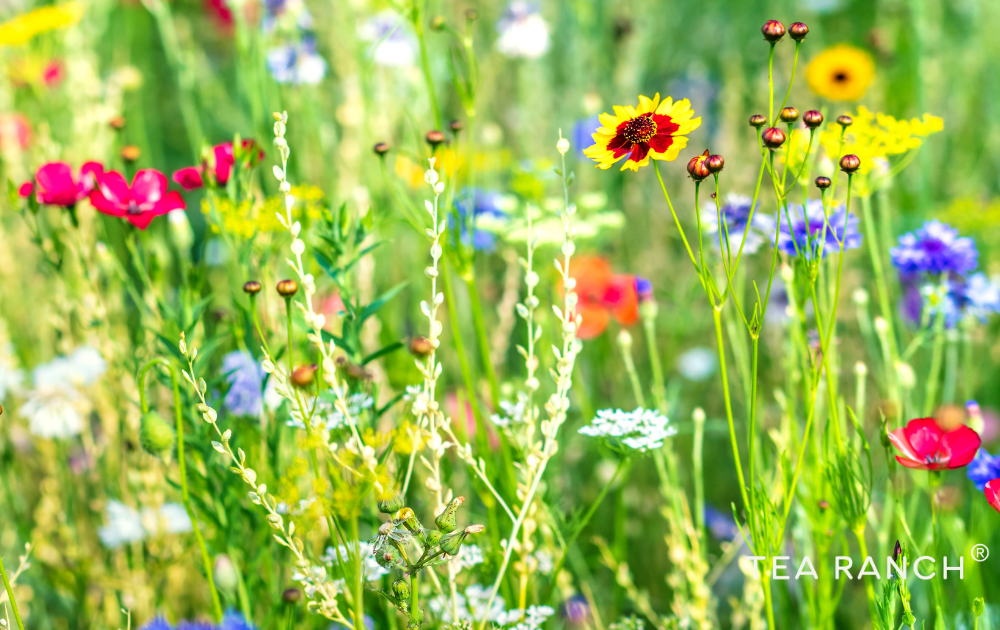
Native wildflowers often provide the nectar and pollen local pollinators have evolved alongside for generations.
They tend to bloom naturally throughout the seasons while requiring less maintenance once established.
Choose a Variety of Bloom Times
By planting flowers that bloom from spring through fall, you provide a reliable food source throughout the growing season.
Different pollinators become active at different times of the year.
Continuous blooms help support them all.
Reduce Pesticide Use
Many pesticides can unintentionally harm beneficial insects.
Whenever possible, consider natural alternatives or use treatments only when truly necessary.
Leave a Little Wildness
Not every corner of a garden needs to be perfectly manicured.
A patch of native grasses, flowering plants, or fallen leaves can provide valuable shelter for insects and other small wildlife.
Sometimes the healthiest gardens are the ones that leave room for nature.
Every Garden Matters
It's easy to assume that meaningful conservation happens only in national parks or large protected areas.
But countless small gardens connected across neighborhoods can create important habitat corridors for pollinators.
One flowering planter on a porch may feed dozens of butterflies.
One backyard filled with native blooms may support hundreds of bees over the course of a season.
Collectively, these small spaces become something much greater.
Nature often succeeds through many small acts working together.
Finding Joy in the Small Visitors
There's another gift pollinators offer that has nothing to do with science.
They encourage us to slow down.
Watching a bumblebee carefully work its way around a blossom or following a butterfly as it dances through a meadow reminds us to notice the little things.
These quiet encounters often become some of the most memorable moments we spend outdoors.
Sometimes, appreciating nature begins with simply paying attention.
A Garden Full of Life
At Tea Ranch, we believe nature has a remarkable way of bringing people back to the present moment.
A thriving garden isn't just beautiful because of its flowers, it's beautiful because of the life those flowers invite.
The gentle flutter of butterfly wings, the steady hum of busy bees, and the changing colors of the seasons all remind us that even the smallest creatures play an important role in the world around us.
Whether you're planting a few native wildflowers or simply enjoying a peaceful cup of tea while watching pollinators visit your garden, those quiet moments help us reconnect with nature in meaningful ways.
Every bloom tells a story.
And every pollinator helps keep that story growing.
Cheers,
Annika