
Why Loose-Leaf Tea Costs More (And Why It's Worth It)
The first time someone compares the price of premium loose-leaf tea to a box of tea bags, the difference can seem surprising.
Why spend more on tea?
The answer isn't simply that loose-leaf tea is "better." It's that you're paying for an entirely different product, one that reflects the quality of the leaves, the care taken during production, and the experience in your cup.
Let's take a closer look.
Whole Leaves Tell a Different Story
One of the biggest differences between loose-leaf tea and many commercial tea bags is the size of the leaves.
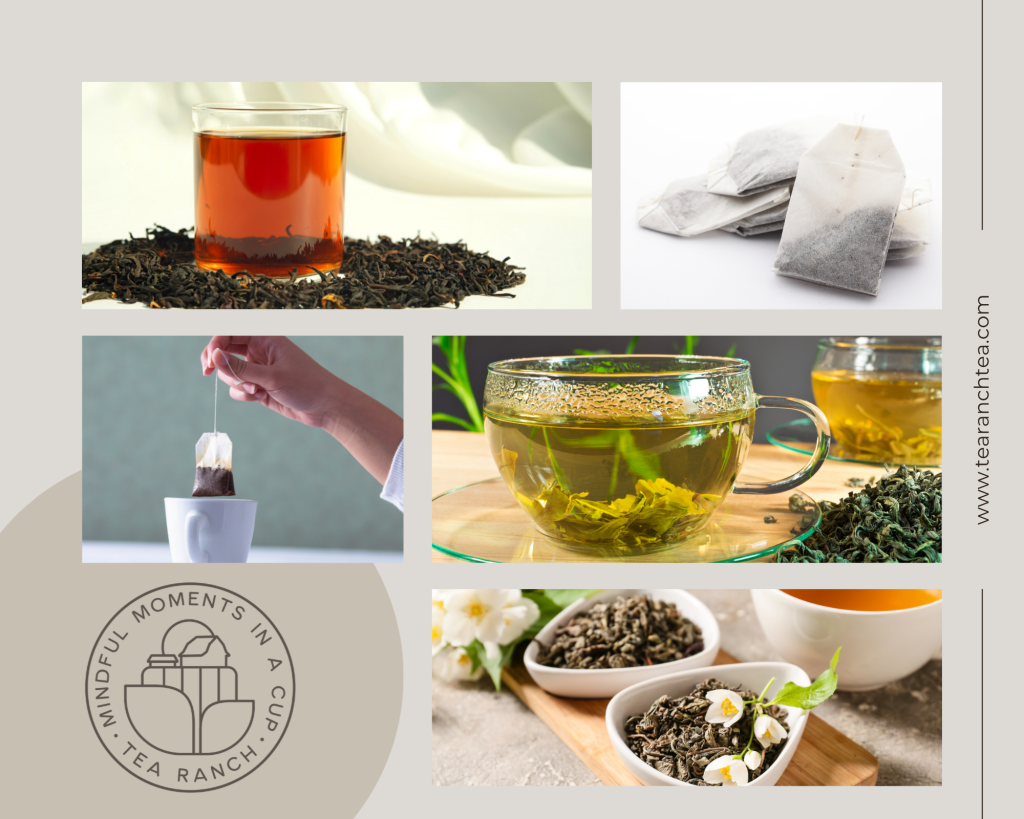
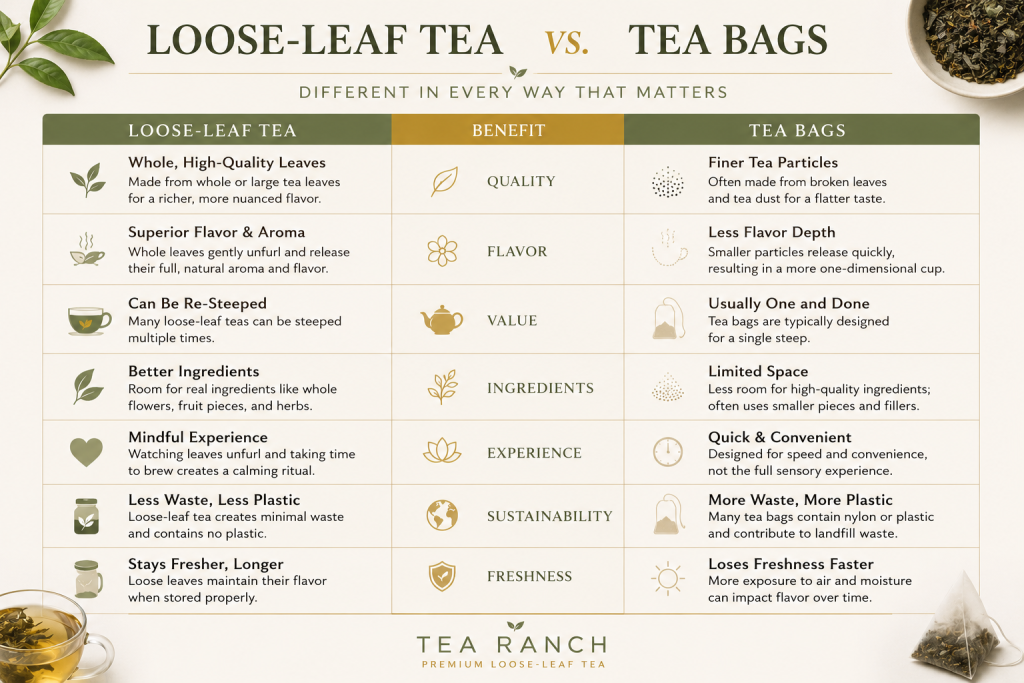
Premium loose-leaf tea is made from larger, more intact leaves that retain their natural oils and complex flavors. As they steep, the leaves gradually unfurl, releasing their character over time.
Many mass-market tea bags, by contrast, contain smaller leaf particles that infuse quickly but often produce a flatter, less nuanced flavor.
When you can see the leaves, you can better appreciate the craftsmanship behind them.
Better Ingredients Mean Better Flavor
High-quality loose-leaf teas often include carefully selected ingredients rather than finely ground pieces.
While many traditional tea bags are paper-based, some premium pyramid-style tea bags are made from nylon or other synthetic materials that can negatively impact flavor.
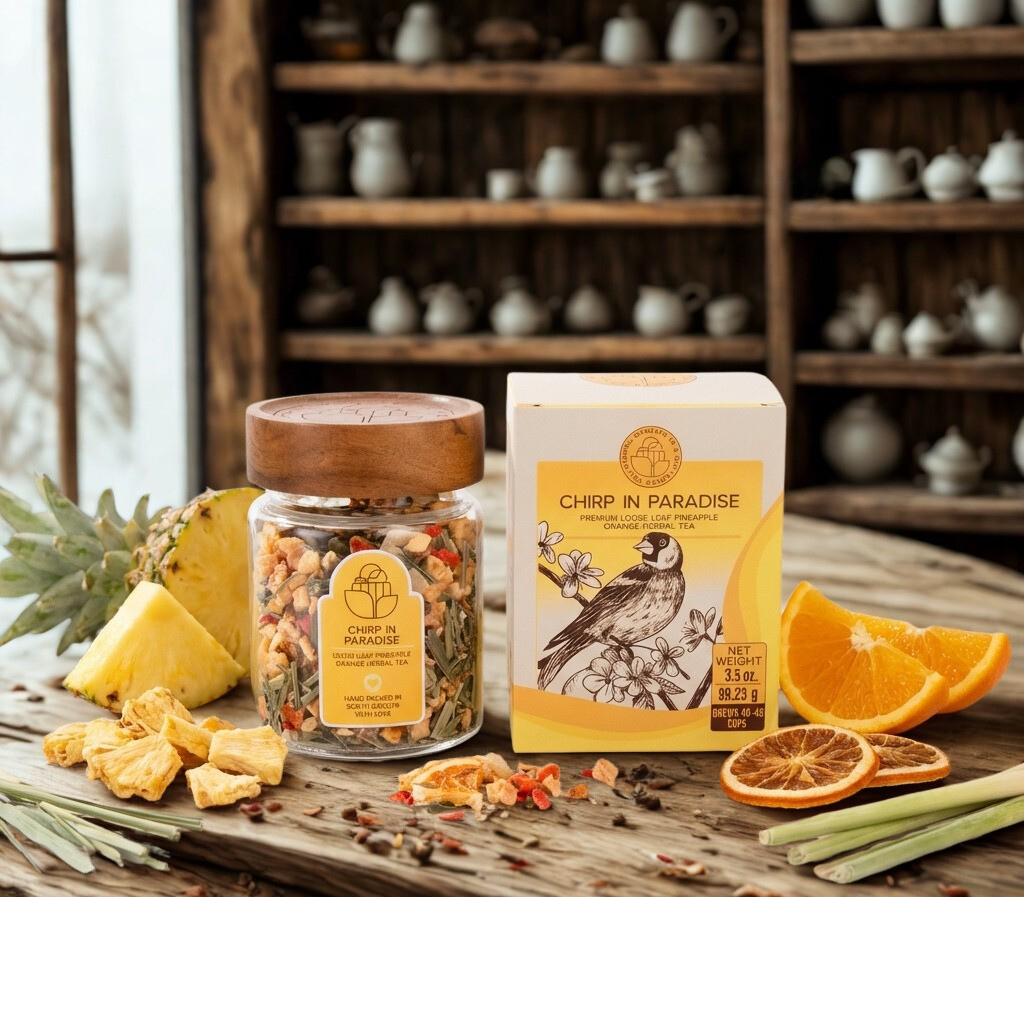
Whether it's delicate green tea, fragrant jasmine blossoms, dried fruit, herbs, or botanicals, larger ingredients tend to retain more of their natural aroma and appearance.
The result is a cup that tastes layered and balanced instead of one-dimensional.
Craftsmanship Takes Time
Producing exceptional tea isn't a fast process.
Tea leaves are harvested, processed, sorted, and blended with care. Some specialty teas require additional steps, such as repeatedly scenting green tea with fresh jasmine blossoms or allowing partial oxidation to develop the distinctive character of oolong tea.
These traditional methods require both time and expertise.
A Little Tea Goes a Long Way
Premium loose-leaf tea often surprises people with how many cups it makes.
Because the leaves are larger and more flavorful, a small amount can brew multiple satisfying servings. Some varieties, such as oolong tea, can even be steeped more than once.
When you calculate the cost per cup rather than the cost of the package, the difference may be smaller than you expect.
The Experience Matters, Too
The value of loose-leaf tea isn't only measured in flavor.
Watching the leaves unfurl, inhaling the aroma as steam rises, and taking a few quiet minutes to prepare your tea all become part of the experience.
For many tea drinkers, that small ritual is just as meaningful as the beverage itself.
Quality Packaging Protects Freshness
Premium tea deserves packaging that helps preserve its flavor.
Exposure to air, moisture, heat, and light gradually reduces freshness. Thoughtfully designed containers help protect delicate leaves while making tea enjoyable to store and use every day.
A reusable container also encourages less waste over time compared with disposable packaging.
Buying Less, Enjoying More
Premium loose-leaf tea isn't about drinking more tea.
It's about enjoying better tea.
Instead of rushing through a cup, many people find themselves slowing down, noticing subtle flavors, and appreciating the craftsmanship behind each blend.
That shift from quantity to quality is part of what makes loose-leaf tea so rewarding.
Is Premium Loose-Leaf Tea Worth It?
The answer depends on what you're looking for.
If convenience is your only priority, tea bags may meet your needs.
But if you value fresh ingredients, nuanced flavor, beautiful whole leaves, and a more intentional tea experience, premium loose-leaf tea offers something quite different.
It's not simply paying more for tea.
It's investing in a cup that reflects craftsmanship, nature, and the simple pleasure of slowing down.
Happy steeping,
Annika